- 0963 00 88 11


Aruba 500H Series Hospitality

-
Các điểm truy cập Wi-Fi 6 giúp tiết kiệm chi phí, kết nối hiệu suất cao cho mọi tổ chức đang đối mặt với nhu cầu di động, đám mây và IoT ngày càng tăng. Với tốc độ tổng hợp dữ liệu không dây lên đến 1,5 Gbps và các cổng có dây Gigabit, chúng mang đến một loạt các tùy chọn kết nối cần thiết cho các địa điểm như khách sạn, ký túc xá và văn phòng từ xa.
AP type:
• AP-503H: Mid-range dual radio Wi-Fi 6 Hospitality AP with 1+2 Ethernet ports
• AP-505H: High-end dual radio Wi-Fi 6 Hospitality AP with 1+4 Ethernet ports, PSE, USB
Các điểm truy cập dòng 500H được thiết kế để tối ưu hóa trải nghiệm người dùng bằng cách tối đa hóa hiệu suất Wi-Fi và giảm đáng kể sự cạnh tranh trong quá trình truyền thông giữa các khách hàng. Các tính năng bao gồm Orthogonal frequency-division multiple access (OFDMA) và tối ưu hóa di động. Với tối đa 2 luồng không gian (2SS) và băng thông kênh 80MHz, dòng 500H mang đến khả năng không dây đột phá cho việc triển khai tiết kiệm ngân sách. Để biết thêm thông tin, vui lòng đọc báo cáo trắng về Multi-User 802.11ax
Lợi ích của OFDMA
Khả năng này cho phép các điểm truy cập của Aruba xử lý đồng thời nhiều khách hàng hỗ trợ Wi-Fi 6 trên mỗi kênh, bất kể loại thiết bị hoặc loại lưu lượng. Việc tận dụng kênh được tối ưu hóa bằng cách xử lý từng giao dịch thông qua các sub-carrier hoặc đơn vị tài nguyên nhỏ hơn (RUs), điều này có nghĩa là các khách hàng chia sẻ một kênh và không cạnh tranh về thời gian truyền và băng thông.
Tối ưu hóa khách hàng nhận thức về Wi-Fi 6
Công nghệ ClientMatch của Aruba được cấp bằng sáng chế, sử dụng trí tuệ nhân tạo (AI), loại bỏ các vấn đề liên quan đến kết nối cố định của khách hàng bằng cách đặt các thiết bị hỗ trợ Wi-Fi 6 lên điểm truy cập tốt nhất có sẵn. Các chỉ số phiên được sử dụng để định hướng các thiết bị di động đến điểm truy cập tốt nhất dựa trên băng thông có sẵn, loại ứng dụng đang được sử dụng và loại lưu lượng - ngay cả khi người dùng di chuyển.
Đồng tồn tại Di động Nâng cao (ACC)
Tính năng này sử dụng bộ lọc tích hợp để tự động giảm thiểu tác động của nhiễu từ các mạng di động, hệ thống anten phân tán (DAS) và các thiết bị cell nhỏ thương mại hoặc femtocell.
Giám sát Năng lượng Thông minh (IPM)
Các điểm truy cập Aruba liên tục giám sát và báo cáo việc tiêu thụ năng lượng của phần cứng. Chúng cũng có thể được cấu hình để bật hoặc tắt các tính năng dựa trên năng lượng PoE có sẵn - lý tưởng khi các switch có dây đã sử dụng hết nguồn điện (AP-505H).
CÁC KHẢ NĂNG CỦA NỀN TẢNG IoT
Giống như tất cả các điểm truy cập Wi-Fi 6 của Aruba, dòng 500H bao gồm một đài phát Bluetooth 5 tích hợp và 802.15.4 (hỗ trợ Zigbee) để đơn giản hóa việc triển khai và quản lý các dịch vụ vị trí dựa trên IoT, dịch vụ theo dõi tài sản, giải pháp bảo mật và các cảm biến IoT. Điều này cho phép tổ chức tận dụng dòng 500H như một nền tảng IoT, loại bỏ nhu cầu về cơ sở hạ tầng lớp phủ và tài nguyên IT bổ sung.
Target Wake Time (TWT)
TWT được thiết kế cho các thiết bị IoT giao tiếp không thường xuyên. Nó xác định lịch trình cho các thiết bị khách hàng cần giao tiếp với một điểm truy cập. Điều này giúp cải thiện việc tiết kiệm năng lượng của khách hàng và giảm sự cạnh tranh về thời gian truyền với các khách hàng khác.
Advanced IoT Coexistence (AIC)
Tính năng này sử dụng bộ lọc tích hợp để cho phép các đài phát Wi-Fi và BLE/Zigbee hoạt động với công suất tối đa mà không bị ảnh hưởng bởi nhiễu tạp.
ARUBA INFRASTRUCTURE BẢO MẬT
Dòng 500H của Aruba bao gồm các thành phần bảo mật nhằm giúp bảo vệ xác thực người dùng và lưu lượng không dây. Một số khả năng được cung cấp bao gồm:
Hỗ trợ WPA3 và Enhanced Open
WPA3 và Enhanced Open cung cấp hỗ trợ mã hóa và xác thực mạnh hơn thông qua phiên bản mới nhất của WPA cho các mạng được bảo vệ của doanh nghiệp. Enhanced Open cung cấp bảo vệ tự động cho người dùng kết nối vào các mạng mở, trong đó mỗi phiên là được mã hóa tự động để bảo vệ mật khẩu và dữ liệu người dùng trên mạng khách.
WPA2-MPSK
MPSK cho phép quản lý mã thông báo đơn giản hơn cho các thiết bị WPA2 - nếu mật khẩu Wi-Fi trên một thiết bị hoặc loại thiết bị thay đổi, không cần thay đổi thêm cho các thiết bị khác. Điều này yêu cầu ClearPass Policy Manager.
VPN Tunnels
Trong các triển khai Remote AP (RAP) và IAP-VPN, dòng 500H của Aruba có thể được sử dụng để thiết lập một đường hầm VPN SSL/IPSec an toàn đến một Gateway hoặc Mobility Controller đóng vai trò là một trung tâm tập trung VPN.
Trusted Platform Module (TPM)
Để tăng cường đảm bảo thiết bị, tất cả các điểm truy cập Aruba đều được trang bị TPM để lưu trữ an toàn thông tin xác thực, khóa và mã khởi động.
TRUY CẬP ĐƠN GIẢN VÀ BẢO MẬT
Để đơn giản hóa việc thực thi chính sách, dòng 500H của Aruba sử dụng Policy Enforcement Firewall (PEF) của Aruba để đóng gói toàn bộ lưu lượng từ điểm truy cập đến Mobility Controller (hoặc gateway) để mã hóa và kiểm tra từ đầu đến cuối. Các chính sách được áp dụng dựa trên vai trò người dùng, loại thiết bị, ứng dụng và vị trí. Điều này giảm thiểu việc cấu hình thủ công cho SSID, VLAN và ACL. PEF cũng phục vụ như công nghệ cơ bản cho Dynamic Segmentation của Aruba.
KẾT NỐI DỰA TRÊN MẬT ĐỘ CAO
Mỗi điểm truy cập trong dòng 500H có khả năng kết nối tối đa 256 khách hàng kết nối trên mỗi đài phát (tổng cộng 512). Tuy nhiên, trong các kịch bản thực tế, mật độ khách hàng tối đa được khuyến nghị phụ thuộc vào điều kiện môi trường.
TÙY CHỌN LẮP ĐẶT LINH HOẠT
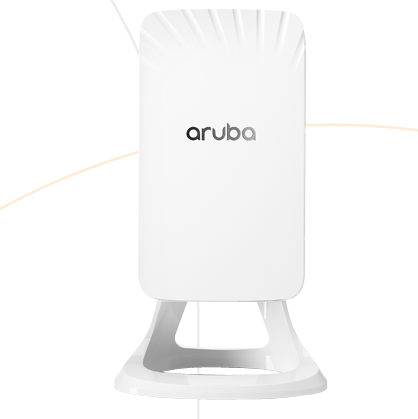
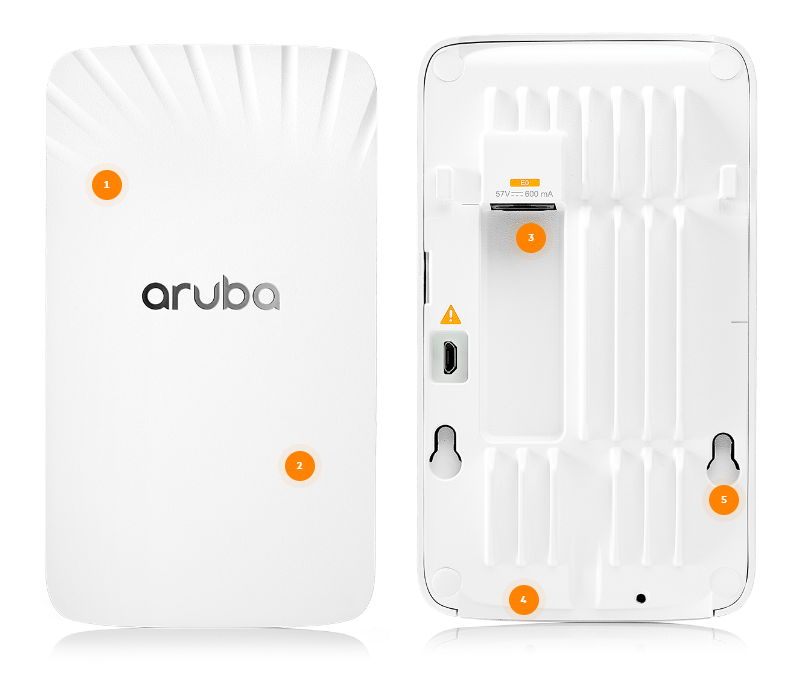
Các điểm truy cập có thể triển khai như một thiết bị gắn tường hoặc đối với môi trường làm việc từ xa, chúng có thể được chuyển đổi thành một thiết bị đặt trên bàn bằng cách sử dụng chân đế phụ kiện tùy chọn. Aruba cũng cung cấp một Bộ chuyển đổi truyền thông sợi quang phù hợp với các điểm truy cập dòng 500H trong lĩnh vực khách sạn. Nó có thể chuyển đổi sợi quang sang Ethernet đồng, chuyển đổi nguồn DC thành POE và mở rộng phạm vi của điểm truy cập một cách mượt mà.
HOẠT ĐỘNG VÀ QUẢN LÝ LINH HOẠT
Các điểm truy cập thống nhất của chúng tôi có thể hoạt động như các điểm truy cập độc lập hoặc với một gateway để tăng khả năng mở rộng, bảo mật và quản lý. Các điểm truy cập có thể triển khai bằng cách sử dụng quy trình cấu hình tự động - mà không cần kiến thức kỹ thuật trên hiện trường - để dễ dàng triển khai tại các văn phòng chi nhánh và môi trường làm việc từ xa. Các điểm truy cập Aruba có thể được quản lý bằng cách sử dụng các giải pháp dựa trên đám mây hoặc tại chỗ cho bất kỳ môi trường trường học, chi nhánh hoặc làm việc từ xa nào. Là bảng điều khiển quản lý và điều phối cho Aruba ESP (Edge Services Platform), Aruba Central cung cấp một giao diện duy nhất để giám sát mọi khía cạnh của mạng LAN có dây và không dây, WAN và VPN. Các tính năng phân tích dựa trên trí tuệ nhân tạo, điều phối và tự động hóa từ đầu đến cuối, và các tính năng bảo mật tiên tiến được tích hợp sẵn vào giải pháp.
CHO VĂN PHÒNG NHỎ/TẠI NHÀ CHO MÔI TRƯỜNG LÀM VIỆC KẾT HỢP
Đối với môi trường làm việc kết hợp, EdgeConnect Microbranch mở rộng mạng WAN đến các văn phòng nhỏ/tại nhà để cung cấp trải nghiệm nhân viên nhất quán bất kể người dùng đang ở đâu. EdgeConnect Microbranch cung cấp một bộ tính năng SD-WAN để tối ưu hóa hiệu suất, bảo mật và khả năng quản lý thông qua Aruba Central dựa trên đám mây và chính điểm truy cập Aruba. Với EdgeConnect Microbranch, tổ chức có thể mở rộng khả năng điểm truy cập từ xa hiện có (RAP) để hưởng lợi từ định tuyến dựa trên chính sách, điều phối đường hầm và định tuyến, và tích hợp SASE vào các dịch vụ bảo mật đám mây như Zscaler. Đối với các cài đặt lớn trên nhiều địa điểm, các điểm truy cập có thể được gửi từ nhà máy và được kích hoạt với Zero Touch Provisioning thông qua Aruba Central hoặc AirWave. Điều này giảm thời gian triển khai, tập trung cấu hình và giúp quản lý hàng tồn kho.
Bộ điểm truy cập 500H Remote AP bundles
Để đơn giản hóa việc đặt hàng và phân phối các điểm truy cập 500H, chúng tôi cung cấp một số bộ điểm truy cập kết hợp một biến thể điểm truy cập, chân đế đặt trên bàn, bộ chuyển đổi nguồn và dây nguồn tiêu chuẩn Bắc Mỹ hoặc Châu Âu. Điều này giúp dễ dàng triển khai và hoạt động nhanh chóng cho nhân viên làm việc từ xa và các chi nhánh nhỏ.
KEY FEATURES
• Combine wireless and wired access in a single compact form factor
• Ideal for organizations with work from home or teleworker initiatives
• Up to 1.5 Gbps of maximum wireless throughput
• 4 wired network ports and 1 Smart Rate uplink port
• WPA3 and Enhanced Open security
• Built-in technology that resolves sticky client issues for Wi-Fi 6 and Wi-Fi 5 devices
• OFDMA for enhanced multi-user efficiency
• IoT-ready Bluetooth 5 and Zigbee support
• Aruba Fiber Media Converter optional add-on for seamless fiber backhaul
TECHNICAL SPECIFICATIONS:
Hardware variants:
AP type:
• AP-503H: Mid-range dual radio Wi-Fi 6 Hospitality AP with 1+2 Ethernet ports
• AP-505H: High-end dual radio Wi-Fi 6 Hospitality AP with 1+4 Ethernet ports, PSE, USB
WI-FI RADIO AND PLATFORM SPECIFICATIONS:
5GHz radio: Two spatial stream (SU) MIMO for up to 1.2Gbps wireless data rate (HE80)
2.4GHz radio: Two spatial stream (SU) MIMO for up to 287Mbps wireless data rate (HE20)
Note: HE40 operation is supported in 2.4GHz, but uncommon and not recommended for enterprise deployments
Maximum number of associated client devices: Up to 256 associated client devices per radio
Maximum number of BSSIDs: 16 BSSIDs per radio
Supported frequency bands (country-specific restrictions apply):
• 2.400 to 2.4835GHz ISM
• 5.150 to 5.250GHz U-NII-1
• 5.250 to 5.350GHz U-NII-2A
• 5.470 to 5.725GHz U-NII-2C
• 5.725 to 5.850GHz U-NII-3/ISM
• 5.850 to 5.895GHz U-NII-4
Dynamic frequency selection (DFS) optimizes the use of available RF spectrum:
Supported radio technologies:
• 802.11b: Direct-sequence spread-spectrum (DSSS)
• 802.11a/g/n/ac: Orthogonal frequency-division multiplexing (OFDM)
• 802.11ax: Orthogonal frequency-division multiple access (OFDMA) with up to 8 resource units
Supported modulation types:
• 802.11b: BPSK, QPSK, CCK
• 802.11a/g/n: BPSK, QPSK, 16-QAM, 64-QAM, 256-QAM (proprietary extension)
• 802.11ac: BPSK, QPSK, 16-QAM, 64-QAM, 256-QAM, 1024-QAM (proprietary extension)
• 802.11ax: BPSK, QPSK, 16-QAM, 64-QAM, 256-QAM, 1024-QAM
802.11n high-throughput (HT) support: HT20/40
802.11ac very high throughput (VHT) support: VHT20/40/80
802.11ax high efficiency (HE) support: HE20/40/80
Supported data rates (Mbps):
• 802.11b: 1, 2, 5.5, 11
• 802.11a/g: 6, 9, 12, 18, 24, 36, 48, 54
• 802.11n: 6.5 to 300 (MCS0 to MCS15, HT20 to HT40), 400 with 256-QAM
• 802.11ac: 6.5 to 867 (MCS0 to MCS9, NSS = 1 to 2, VHT20 to VHT80), 1,083 with 1024-QAM
• 802.11ax (2.4GHz): 3.6 to 574 (MCS0 to MCS11, NSS = 1 to 2, HE20 to HE40)
• 802.11ax (5GHz): 3.6 to 1,201 (MCS0 to MCS11, NSS = 1 to 2, HE20 to HE80)
802.11n/ac/ax packet aggregation: A-MPDU, A-MSDU
Transmit power: Configurable in increments of 0.5 dBm
Maximum (aggregate, conducted total) transmit power (limited by local regulatory requirements):
• 2.4 GHz band: +20 dBm (17 dBm per chain)
• 5 GHz band: +21 dBm (18 dBm per chain)
• Note: conducted transmit power levels exclude antenna gain. For total (EIRP) transmit power, add antenna gain
Minimum configurable transmit power level: 0dBm (conducted, per chain)
VPN IPsec throughput performance: 100 Mbps (AP-503H) and 500 Mbps or better (AP-505H)